Living in Guelph, Ontario: What It Is Really Like to Call the Royal City Home
What Is It Really Like Living in Guelph?
Ask ten people what they love about Guelph and you will probably get ten different answers.
One person will tell you it is the trails. Someone else will say it is being able to walk downtown for dinner. A parent might mention the parks and community programs. A commuter may tell you they like having access to larger cities without actually living in one.
That variety is part of what makes Guelph feel like Guelph.
The city is large enough to have restaurants, entertainment, recreation, shopping and distinct neighbourhoods, but small enough that you can still develop favourite local spots and regularly run into familiar faces.
For anyone considering moving to Guelph, here is a closer look at what everyday life in the Royal City is actually like.
Guelph Has Neighbourhoods That Feel Surprisingly Different
One of the first things newcomers notice is how much the character of Guelph changes depending on where you are.
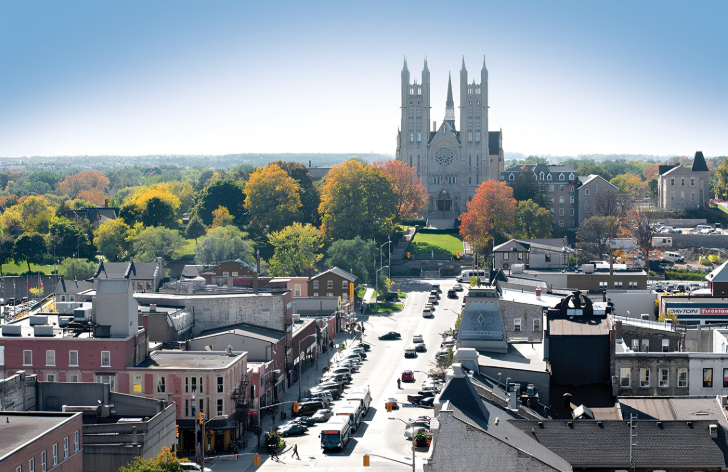
Downtown Guelph and the surrounding streets are filled with older architecture, local businesses, restaurants and homes with plenty of history.
Head toward Exhibition Park and you will find mature trees, established streets and a neighbourhood built around one of the city's best known green spaces.
The south end has a much newer feel. Areas such as Westminster Woods, Clairfields and Pineridge offer newer homes, shopping and convenient access toward Highway 401.
Guelph's east end offers residential streets, parks, trails and a mix of housing styles, while the west and north ends each have their own combination of established neighbourhoods, recreation and everyday amenities.
There is no single area that represents Guelph.
That is also why choosing where to live here is usually more about lifestyle than simply picking the neighbourhood with the nicest houses.
Nature Is Part of Everyday Life
One of Guelph's biggest lifestyle advantages is how easy it is to get outside.
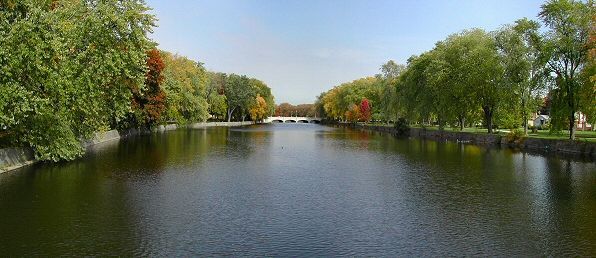
The city has an extensive trail system running through neighbourhoods, parks and along the Speed and Eramosa Rivers. The Speed River Trail, Eramosa River Trail, Silvercreek Trail and Downtown Trail are just a few of the routes locals use for walking, running and cycling.
There is also Preservation Park in the south end, Riverside Park in the north, Royal City Park near downtown and the Arboretum at the University of Guelph.
You do not necessarily have to plan a full hiking day to spend time outside here.
For many residents, nature is simply part of the normal routine.
It might be walking the dog beside the river before work, taking the kids to Riverside Park, going for a Saturday morning trail walk or heading to the Arboretum when the fall colours arrive.
Downtown Guelph Gives the City Its Personality
Downtown Guelph is one of those places that feels distinctly local.
Historic buildings sit alongside restaurants, coffee shops, patios, independent businesses and cultural venues. The Basilica of Our Lady Immaculate rises above the downtown skyline, while the Speed River runs just a few blocks away.
There is also the Guelph Farmers' Market, River Run Centre, Market Square and a calendar of festivals and community events that regularly bring people into the core.
It is not a massive downtown, and that is arguably part of its appeal.
You can meet friends for dinner, catch a show, walk beside the river and still be home without turning the evening into an expedition.
You Are Close to More Than Just Guelph
Location is another reason people consider moving to Guelph.
Cambridge, Kitchener, Waterloo, Fergus, Elora and Rockwood are all within reach, while Highway 401 connects Guelph with the wider Greater Toronto and Hamilton Area.
Guelph Central Station also provides GO Transit and VIA Rail connections.
For people whose work or family takes them outside the city, location can play a significant role in deciding which part of Guelph feels right.
Someone regularly heading toward the 401 may prioritize the south end differently than someone who works downtown and wants to walk or bike.
There Is a Strong Local Community
Guelph has a noticeable independent streak.
Saturday mornings at the Farmers' Market, neighbourhood events, local sports, festivals, community fundraisers and independent shops all contribute to that feeling.
It is also a city where the University of Guelph has a major presence without completely defining the community.
Students are certainly part of Guelph's identity, but so are young families, professionals, longtime residents, retirees, entrepreneurs and people who grew up here and decided to stay.
So, Is Guelph a Good Place to Live?
That depends on what you want your everyday life to look like.
If you want a huge city that stays busy around the clock, Guelph may feel small.
But if your ideal community includes trails, parks, local businesses, established neighbourhoods, newer communities, a lively downtown and access to surrounding cities and countryside, there is a lot to like.
And perhaps the best way to understand Guelph is not through a list of statistics.
Spend a Saturday morning downtown. Walk through Exhibition Park. Explore the trails along the Eramosa River. Drive through the south end and then through St. George's Park or the Ward.
You quickly realize that choosing to live in Guelph is not only about choosing a city.
It is about finding the little corner of it that feels like yours.
Share this post on