
The Realities of AI in Real Estate
There’s no doubt that AI is transforming nearly every industry, and real estate is no exception. From virtual staging to automated property valuations and marketing material that seems to write itself, artificial intelligence is making waves. But what’s actually helpful, and where does the human touch still matter most?
Here’s a closer look at the realities of AI in real estate
today:
1. Smart Searches
AI-powered tools are helping buyers and renters find homes faster by learning their preferences and surfacing more relevant listings. Platforms like Zillow, Realtor.ca, and Redfin use machine learning to improve recommendations but they can’t replace the intuition of a great agent who knows the neighbourhood, market conditions, and your unique goals.
Reality:
AI can filter listings, but it can’t read your lifestyle.
2. Chatbots and Virtual Assistants
Some websites now offer AI chatbots that can answer basic questions 24/7. While helpful for FAQs and appointment bookings, they still fall short when the conversation gets nuanced, like discussing offer strategies or navigating multiple bids.
Reality:
AI can start the conversation, but humans close the deal.
3. Automated Valuations Have Limits
AVMs (Automated Valuation Models) can estimate a property’s value using recent sales and market trends. They’re useful for a ballpark figure, but they don’t know if the kitchen just got a $60K renovation or if the neighbour's house sold in a bidding war.
Reality:
AI knows the numbers... not the nuance.
4. Marketing Gets a Boost
AI tools like ChatGPT and image generators are helping agents write listing descriptions, generate social media captions, and even stage rooms virtually. But the best marketing still comes from professionals with an eye for design who understand the local market and the emotional story behind a home.
Reality:
AI speeds things up, but creativity and strategy still win.
5. Data Insights, Not Decisions
AI can help analyze trends, identify investment opportunities, and flag shifts in buyer behaviour. But interpreting that data and knowing when to act still requires expertise.
Reality:
AI can guide decisions, but shouldn’t make them alone.
Final Thoughts: AI Is a Tool, Not a Replacement
AI isn’t here to take over real estate, it’s here to make it smarter, faster, and more efficient. The key is knowing how to use it without losing the human connection that makes this business thrive. After all, buying or selling a home is one of the most emotional, personal decisions a person can make.
At the end of the day, it’s not just about data or automation. It’s about trust, experience, and building real relationships.
Share this post on

There’s something about fall in Guelph that makes you want to grab a sweater, order something pumpkin-spiced, and spend an afternoon at a local farm. Whether you’re searching for the perfect pumpkin to carve, planning a family day out, or just looking for a great fall photo spot, there are plenty of pumpkin patches and farms in and around Guelph worth visiting. Here are some of our favourite spots to add to your fall bucket list.

There’s something about apple-picking season that makes it officially feel like fall in Guelph. Crisp mornings, country roads, fresh apples, warm baked goods and a day spent outside are all part of the experience.
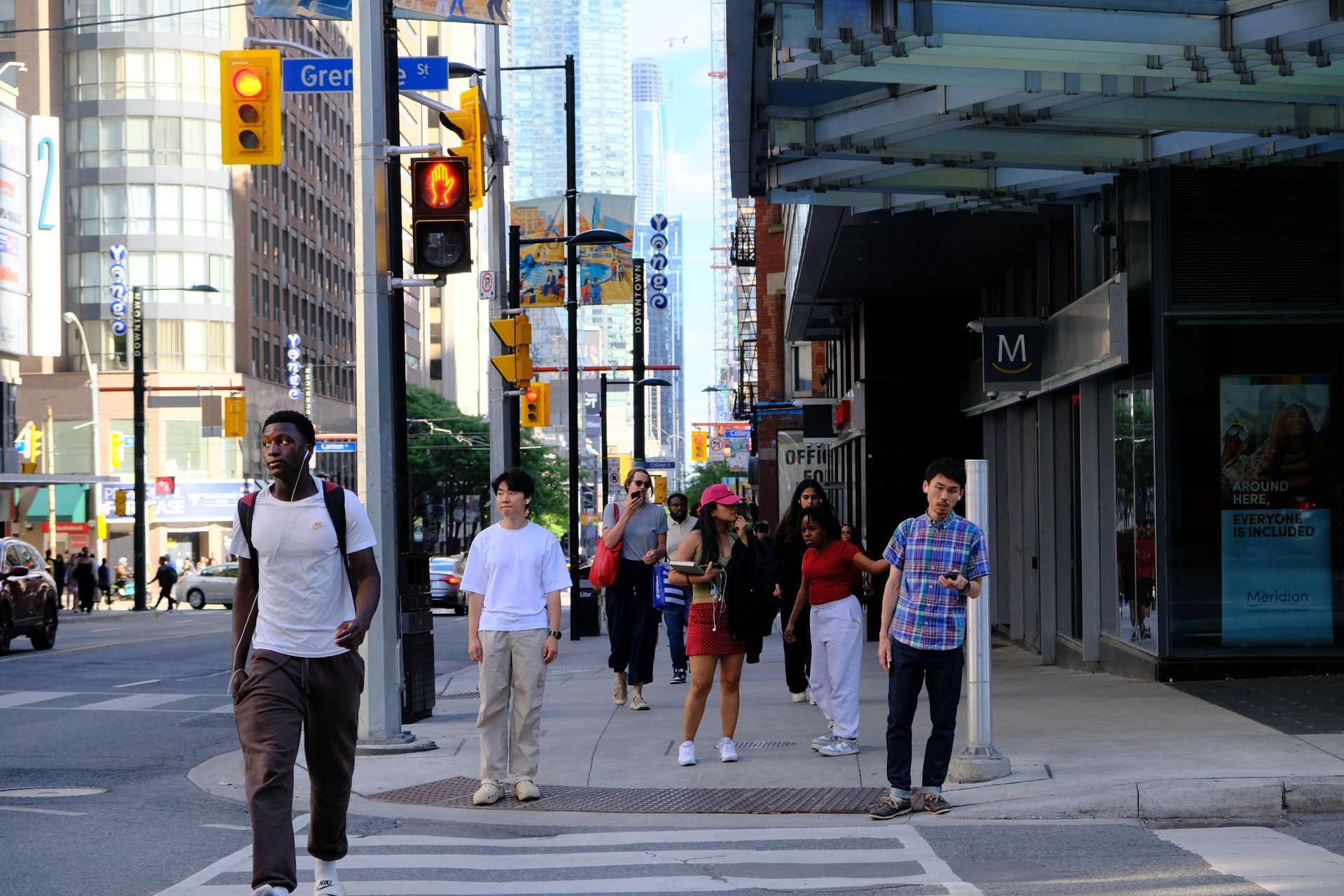
Over the past several years, a steady stream of people have made the move west from the Greater Toronto Area to Guelph, and once you spend a little time in the city, it is easy to understand why. Guelph offers something that has become increasingly rare in Southwestern Ontario, a genuine sense of community and space without cutting yourself off from the opportunities the GTA provides. The Commute Is More Manageable Than People Expect The GO Train connects Guelph Central Station directly to Toronto's Union Station, with the trip taking roughly ninety minutes. For anyone who has spent time commuting within the GTA itself, that number often sounds more reasonable than expected, especially once you factor in that Guelph commuters are trading traffic and crowded platforms for a calmer, more predictable ride. For people who only need to be in the office a few days a week, the trade off tends to make even more sense. More Space for the Same Budget One of the most common reasons people give for looking outside Toronto is simple. Housing dollars stretch further in Guelph. Detached homes, larger lots, and neighbourhoods with room to grow are still attainable here in a way that has become increasingly difficult to find closer to the downtown core of the GTA. For young families especially, that difference can mean the gap between renting indefinitely and actually settling into a home that fits their long term plans. A Slower Pace Without Losing the Amenities What sets Guelph apart from a lot of smaller commuter towns is that it does not feel like you are sacrificing much to get that extra space and breathing room. The city has a full hospital, a major university, a strong restaurant and brewery scene, and enough cultural programming through venues like the River Run Centre to keep things interesting year round. It is a rare combination, small city calm paired with genuine city amenities. A Growing, Diverse Community Guelph has also become notably more diverse over the past decade, partly thanks to the university drawing people from across the country and around the world, and partly because more families are choosing to relocate here from bigger cities. That shift has added new energy to the local food scene, the festival calendar, and the overall character of the city, while still keeping the strong sense of community that longtime residents value most. Not Just a Bedroom Community It is worth noting that Guelph is not simply a place people sleep before commuting elsewhere. Major employers like the University of Guelph, Linamar, and Sleeman Brewery mean a significant portion of residents work locally, which helps the city maintain its own identity rather than functioning purely as a Toronto suburb. That local employment base is part of why Guelph's downtown and neighbourhood business districts have stayed as vibrant as they have. Weighing the Move For anyone currently living in the GTA and wondering whether a move to Guelph makes sense, the honest answer usually comes down to priorities. For people who want more space, a stronger sense of community, and a commute that is still workable a few days a week, Guelph consistently comes up as one of the more compelling options in the region. The best way to know for sure is to actually spend time here, walk a few neighbourhoods, sit at the farmers market on a Saturday morning, and get a feel for the pace of life before making any decisions. Guelph has a way of making its case simply by being itself, and for a growing number of former Torontonians, that has been more than enough.